


Choosing the right beverage for focus can feel overwhelming. Coffee promises quick alertness, energy drinks boast powerful stimulation, and matcha offers calm energy. Many assume more caffeine equals better focus, but jitters and crashes often follow high doses. Matcha provides a natural blend of caffeine and L-theanine, promoting sustained mental clarity without the rollercoaster effect. This guide compares matcha, coffee, and energy drinks across caffeine content, energy release, and cognitive effects. You’ll discover which option suits your lifestyle and how to optimize focus without sacrificing wellbeing.
Table of Contents
-
Comparing Matcha, Coffee, And Energy Drinks: Caffeine Content And Energy Profile
-
Which Is Best For Focus? Choosing Based On Your Needs And Lifestyle
Key takeaways
| Point | Details |
| Caffeine and L-theanine profiles | Different combinations affect energy release speed and cognitive performance. |
| Matcha’s sustained energy | Provides calm, steady alertness for 6 to 8 hours with minimal jitters. |
| Coffee’s quick boost | Delivers rapid alertness but often causes crashes within 2 to 3 hours. |
| Energy drink spikes | High caffeine and sugar create sharp peaks followed by sudden energy drops. |
| L-theanine benefits | Improves attention, reduces anxiety, and balances caffeine’s stimulating effects. |
Understanding caffeine, L-theanine, and how focus works
Caffeine enhances alertness by blocking adenosine receptors in the brain, preventing drowsiness signals and boosting cognitive performance. This mechanism explains why caffeine feels energizing, but it doesn’t tell the whole story. L-theanine, an amino acid found naturally in tea leaves, promotes alpha brain waves associated with relaxed yet focused attention. When combined, these compounds create a synergistic effect that improves mental performance without overstimulation.
Research demonstrates that the caffeine and L-theanine combination significantly enhances cognitive function. A study published in the British Journal of Nutrition found that high-dose L-theanine and caffeine improved selective attention in sleep-deprived young adults, demonstrating benefits even under challenging conditions. This pairing helps regulate neurotransmitters like dopamine and serotonin, which influence mood, motivation, and concentration.
The synergy between caffeine and L-theanine creates several advantages:
-
Enhanced focus without anxiety or jitters
-
Improved reaction time and accuracy on cognitive tasks
-
Smoother energy curve compared to caffeine alone
-
Better mood stability throughout the day
L-theanine moderates caffeine’s stimulating effects by promoting relaxation without sedation. This balance allows you to maintain alertness while staying calm under pressure. Studies show this combination improves cognitive speed and accuracy while reducing the nervousness that often accompanies high caffeine intake. The result is a more productive mental state that feels natural and sustainable.
Pro Tip: If you’re sensitive to caffeine’s jittery effects, starting with a beverage that naturally contains both caffeine and L-theanine can help you experience alertness without discomfort. This L-theanine and caffeine synergy creates a foundation for steady mental performance throughout your day.
Comparing matcha, coffee, and energy drinks: caffeine content and energy profile
Understanding how each beverage delivers caffeine helps you choose the right option for your focus needs. Matcha contains approximately 60 to 70 mg of caffeine per 2-gram serving, paired with naturally occurring L-theanine that creates a smooth energy release. Coffee delivers around 95 mg of caffeine per 8-ounce cup, providing a faster spike but shorter duration. Energy drinks vary widely, containing 80 to 350 mg of caffeine per serving, often combined with high sugar content and artificial stimulants.
The absorption rate matters as much as the total caffeine content. Matcha’s caffeine absorbs more slowly due to L-theanine’s relaxing properties, creating sustained energy that lasts 6 to 8 hours. Coffee’s rapid absorption causes a quick alertness spike, but effects typically fade within 2 to 3 hours, often followed by a noticeable crash. Energy drinks produce the most erratic patterns, with rapid glucose spikes triggering stress hormone releases that can leave you feeling depleted.
| Beverage | Caffeine per serving | Energy duration | Crash potential | L-theanine content |
| Matcha | 60 to 80 mg | 6 to 8 hours | Low | High |
| Coffee | 95 mg | 2 to 3 hours | Moderate to high | None |
| Energy drinks | 80 to 350 mg | Variable, erratic | Very high | None |
Coffee’s quick energy delivery works well for short-term needs but often triggers cortisol spikes that contribute to anxiety and eventual fatigue. The sudden drop in energy can disrupt your focus during critical afternoon hours. Energy drinks amplify this problem by combining excessive caffeine with sugar and synthetic stimulants, creating a powerful but unstable energy source that rarely supports sustained mental performance.
Matcha’s caffeine content provides a middle ground that many find ideal for all-day focus. The gradual release prevents the sharp peaks and valleys associated with other caffeinated beverages. This steady energy profile supports consistent cognitive performance without requiring multiple doses throughout the day.
Key differences in energy delivery:
-
Matcha releases caffeine gradually over several hours
-
Coffee provides immediate alertness followed by a decline
-
Energy drinks create intense but short-lived stimulation
-
L-theanine in matcha smooths the energy curve
Pro Tip: Track how long you feel alert after consuming each beverage type. This personal data helps you match your choice to your schedule, ensuring you have steady focus when you need it most. The caffeine duration comparison between matcha and coffee shows clear differences in sustainability.
Health benefits and cognitive effects beyond caffeine
Matcha contains powerful antioxidants, particularly epigallocatechin gallate, which supports brain function and reduces inflammation throughout the body. These compounds protect neurons from oxidative stress, potentially improving long-term cognitive health. Coffee also offers health benefits including brain protection, with research linking regular consumption to reduced risk of certain neurodegenerative diseases. Energy drinks, however, typically contain fewer beneficial compounds and rely heavily on synthetic ingredients.
The L-theanine in matcha provides stress reduction alongside its focus-enhancing properties. Studies demonstrate that L-theanine reduces cortisol by up to 16% when combined with caffeine, lowering your body’s stress response while maintaining alertness. This hormonal balance supports clearer thinking and better decision-making under pressure. Coffee’s higher acidity can trigger cortisol spikes in some individuals, potentially increasing feelings of stress or causing digestive discomfort.
Energy drinks present the most significant health concerns among these options. Their rapid stimulation often induces jitters and anxiety, followed by crashes that can disrupt your entire day. The high sugar content in many formulations contributes to glucose instability, which impairs cognitive function and mood regulation. Artificial ingredients and excessive caffeine create a harsh energy experience that rarely supports genuine mental performance.
Broader health impacts to consider:
-
Matcha supports cardiovascular health through antioxidant activity
-
Coffee may improve metabolic function when consumed moderately
-
Energy drinks often contain additives with unknown long-term effects
-
L-theanine promotes relaxation without drowsiness
Matcha’s relaxed alertness creates an ideal mental state for complex tasks requiring sustained attention. The combination of neuroprotective antioxidants and calming L-theanine supports both immediate performance and long-term brain health. Coffee provides cognitive benefits but lacks the balancing compounds that make matcha’s effects feel smoother and more sustainable.
L-theanine’s ability to reduce stress hormones while maintaining alertness creates a unique cognitive state that supports both productivity and wellbeing throughout your day.
The matcha health benefits extend beyond immediate focus enhancement. Regular consumption may support immune function, metabolic health, and cellular protection. These advantages make matcha a functional choice for health-conscious individuals seeking mental performance without compromising overall wellness.
Which is best for focus? Choosing based on your needs and lifestyle
Your ideal focus beverage depends on your schedule, caffeine sensitivity, and performance goals. Matcha suits individuals needing sustained calm focus for 4 to 6 hours or longer, making it perfect for deep work sessions, studying, or creative projects. Coffee works well for quick boosts before morning meetings, workouts, or short-term tasks requiring immediate alertness. Energy drinks are generally not recommended for steady focus due to their tendency to cause crashes and jitters, though some may use them strategically for very short, intense activities.
Practical guidelines for safe, effective use:
-
Calculate your total daily caffeine intake from all sources
-
Limit consumption to 400 mg or less per day
-
Start with lower doses if you’re caffeine-sensitive
-
Time your intake strategically for peak performance
-
Stay hydrated to counterbalance caffeine’s diuretic effects
If you’re new to using caffeine for focus or have experienced jitters in the past, begin with 50 mg of caffeine combined with L-theanine. This conservative approach allows you to assess your tolerance while experiencing the synergistic benefits. Take your dose 30 to 45 minutes before high-focus tasks to align peak effects with your most demanding work.
Timing considerations matter significantly for maintaining healthy sleep patterns. Consume your last caffeinated beverage at least 6 hours before bedtime to prevent sleep disruption. Matcha’s longer duration means you may want to avoid it in late afternoon, while coffee’s shorter effects offer more flexibility for mid-day consumption. Energy drinks should be avoided entirely in the second half of your day due to their unpredictable energy patterns.
Determine your preferred caffeine release profile by experimenting with each option during low-stakes situations. Notice how quickly you feel alert, how long the effect lasts, and whether you experience any negative side effects. This self-awareness helps you make informed choices that support your productivity without compromising your health or comfort.
Pro Tip: Keep a simple log of your caffeine consumption, including type, amount, and timing. After a week, you’ll have clear data showing which option provides the best focus for your unique physiology and schedule. Choosing between matcha and coffee becomes easier when you understand your personal response patterns.
For health-conscious professionals seeking reliable all-day focus, matcha energy drink options offer convenience without sacrificing quality. Modern formulations combine traditional matcha benefits with additional nutrients designed to support mental performance. The classic matcha energy drink format provides a practical solution for busy lifestyles while maintaining the natural synergy of caffeine and L-theanine.
Explore Lucent’s matcha energy drinks for balanced focus
Lucent offers zero sugar matcha energy drinks specifically designed for sustained focus and mental clarity. Each can is formulated with premium Japanese matcha green tea, providing the natural synergy of caffeine and L-theanine that supports calm, lasting energy. Unlike traditional energy drinks that rely on excessive caffeine and sugar, Lucent combines matcha with essential vitamins including B6, B12, and Vitamin C, plus magnesium to support overall cognitive function.
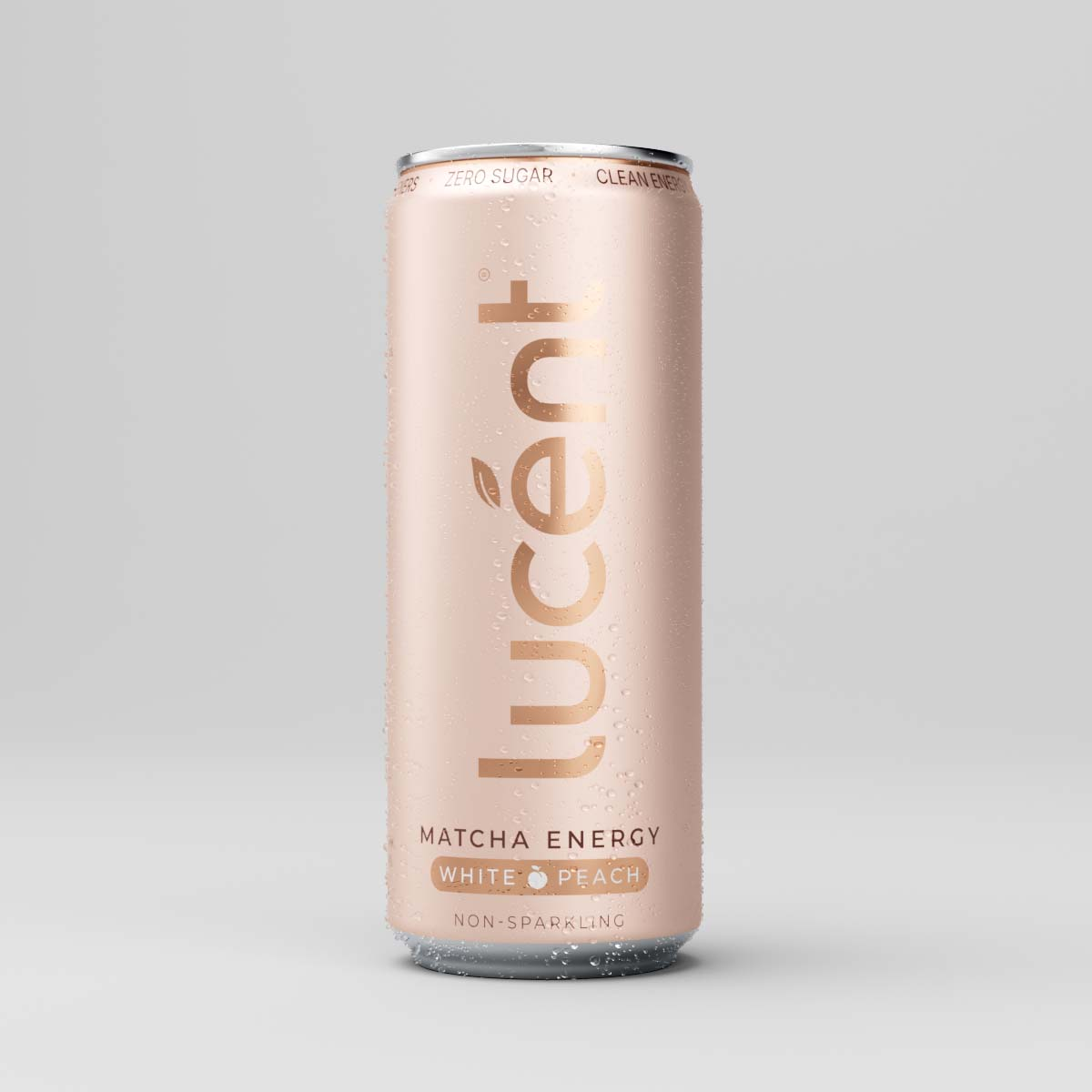
Ideal for health-conscious professionals seeking focus without jitters or crashes, Lucent delivers steady energy that lasts throughout your workday. The brand offers various flavors including classic matcha and white peach, each crafted to provide clean taste alongside functional benefits. Explore the benefits of matcha and brain nutrients to understand how this approach to energy differs from conventional options. Experience focus that feels calm, clear, and sustainable.
Frequently asked questions
Can matcha provide focus without causing jitters like coffee or energy drinks?
Yes, matcha’s natural L-theanine content significantly reduces the jittery effects commonly associated with caffeine. L-theanine promotes alpha brain waves, creating relaxed alertness that improves focus without anxiety. The synergistic effect of caffeine and L-theanine in matcha provides smooth, sustained energy that feels qualitatively different from coffee or energy drinks. This combination allows you to maintain mental clarity and productivity without the uncomfortable side effects that often accompany high caffeine intake.
How much caffeine is safe to consume daily for focus enhancement?
The FDA recommends that most healthy adults limit caffeine to 400 mg or less per day, even when combined with L-theanine. This limit includes caffeine from all sources, including coffee, tea, energy drinks, and supplements. Individual tolerance varies based on factors like body weight, metabolism, and caffeine sensitivity. If you’re new to using caffeine for focus, start with lower doses and gradually increase as needed while monitoring how you feel.
When is the best time to consume matcha or coffee to enhance focus?
For optimal cognitive benefits, consume caffeine and L-theanine 30 to 45 minutes before tasks requiring sustained focus. This timing allows the compounds to reach peak effectiveness when you need them most. Avoid caffeine within 6 hours of your intended bedtime to prevent sleep disruption, as quality rest is essential for long-term cognitive performance. Morning or early afternoon consumption works best for most people, aligning energy peaks with typical work schedules.
Does matcha contain more antioxidants than coffee or energy drinks?
Matcha contains significantly higher concentrations of antioxidants, particularly catechins like EGCG, compared to coffee or energy drinks. Because you consume the entire ground tea leaf when drinking matcha, you receive more beneficial compounds than from steeped tea or coffee. Coffee does contain antioxidants and offers health benefits, but in different forms and concentrations. Energy drinks typically contain minimal antioxidants and rely on synthetic ingredients rather than whole food sources for their effects.


