

Posted by Lucent Team

TL;DR:
- Matcha provides a calmer, longer-lasting focus by slowing caffeine absorption with L-theanine, making it ideal for sustained work. Coffee offers a rapid, intense alertness boost but results in steeper crashes, especially when consumed in large quantities or late in the day. Combining coffee in the morning with matcha later helps optimize energy and protect sleep quality.
Matcha delivers cleaner, steadier “calm-alert” energy for sustained cognitive work, while coffee hits faster and harder. For deep work sessions, afternoon focus blocks, or anyone who crashes after a standard cup, matcha’s caffeine profile is the stronger choice. The FDA daily caffeine guidance caps healthy adults at 400 mg per day, a ceiling that matters when you’re stacking drinks across a long workday.
Here’s the quick picture:
-
Matcha (2 g serving): 38–88 mg of caffeine, plus L-theanine and EGCG that slow absorption and smooth the alertness curve over 4–6 hours
-
Brewed coffee (8 oz): caffeine content higher than matcha with faster absorption, rapid peak, and a steeper crash risk
-
When coffee still wins: you need immediate, high-intensity activation, or you’re starting a physically demanding morning and want the fastest possible lift
How do matcha and coffee caffeine actually compare?
| Dimension | Coffee (8 oz brewed) | Matcha (2 g serving) |
|---|---|---|
| Caffeine per serving | brewed coffee (8 oz) delivers 95–200 mg of caffeine | matcha (2 g serving) delivers 38–88 mg of caffeine |
| Onset & peak | 30–60 min; sharp peak | 30–60 min; gradual rise |
| Crash risk | High crash risk | Low crash risk |
| Compounds | Chlorogenic acids, polyphenols | L-theanine, EGCG, antioxidants |
| Brain effect | Peak alertness, sharp jolt | Calm-alert, sustained focus |
| Side-effect flags | Jitters, GI acid, cortisol spike | Possible EGCG risk at very high doses |
| Best time of day | Early morning activation | Mid-morning to early afternoon |
The FDA’s guidance caps healthy adult caffeine intake at a certain level, so moderate consumption of matcha or coffee servings can keep you within this limit. Preparation changes everything: a double-scoop matcha latte or a cold brew can push caffeine well outside these typical ranges, so serving size and brew method always matter.
Why the same caffeine feels different in matcha
Caffeine is the shared active stimulant in both drinks. What changes the experience is how fast it enters your bloodstream and what travels alongside it.
Coffee’s caffeine absorbs quickly, producing a sharp cortisol spike and a rapid alertness peak. Matcha works differently. Because you’re consuming pulverized whole leaves, you ingest both caffeine and L-theanine together, and L-theanine slows the absorption curve. Peer-reviewed evidence shows that the caffeine-plus-L-theanine combination increases alpha brain wave activity, the same pattern associated with relaxed, meditative focus, and supports sustained attention with reduced mental fatigue under stress.
“L-theanine smooths the stimulation into a calmer, more sustained focus that tends to be kinder to stress and sleep.” — Dr. Tim Spector, epidemiologist and co-founder of ZOE
The practical outcomes split like this:
-
Coffee: rapid alertness, strong initial focus, higher cortisol response, steeper post-peak drop
-
Matcha: slower onset, flatter alertness curve lasting 4–6 hours, lower crash risk, reduced jitter frequency
-
EGCG: matcha’s primary catechin carries antioxidant and anti-inflammatory properties; at normal serving sizes it’s beneficial, but very high supplemental doses carry liver-risk caveats (more on that below)
For cognitive health and sustained focus, the L-theanine effect is the key differentiator. Identical milligrams of caffeine simply feel different when L-theanine is present.
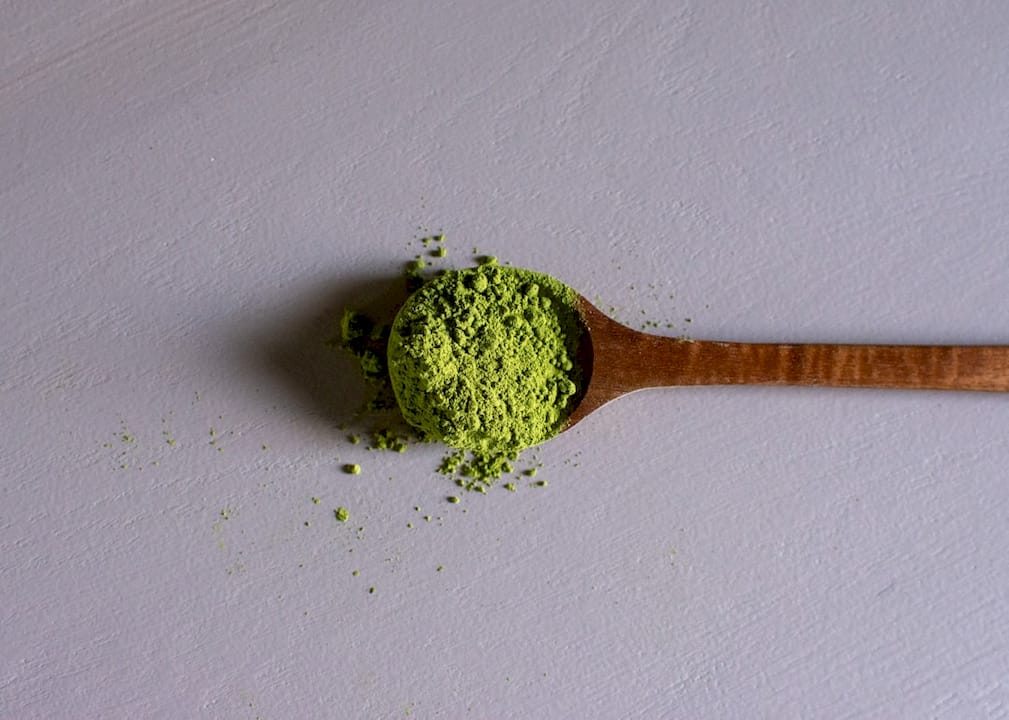
When to drink matcha for sustained mental performance
-
7:00–11:00 AM (matcha for deep work): One 2 g matcha serving (38–88 mg caffeine) whisked in warm water. Onset in 30–60 minutes; peak focus window runs 4–6 hours.
-
12:00–2:00 PM (optional second matcha): A second 2 g serving keeps you under 400 mg total for the day when combined with one morning coffee.
-
Cut-off by 3:00 PM: Caffeine’s half-life means a 3 PM drink can still affect sleep quality at 10 PM. Protect your sleep; it’s where cognitive recovery happens.
Pro Tip: One level teaspoon of matcha powder equals roughly 2 g. If you’re making a latte-style drink with oat milk or almond milk, the caffeine content stays the same, but the slower sip rate further smooths absorption. A daily workflow built around these timing windows can make the difference between a productive afternoon and a 3 PM wall.
Side effects, sleep, and when to be careful
Both coffee and matcha are safe within the FDA’s 400 mg/day guidance, but their side-effect profiles differ in ways worth knowing.
Watch for these signals:
-
Insomnia or restless sleep: any caffeine after 3 PM is a likely culprit; cut back or move intake earlier
-
Heart palpitations or anxiety: reduce total daily caffeine; matcha’s L-theanine helps but doesn’t eliminate the risk at high doses
-
GI upset: coffee is more acidic and more likely to irritate the stomach; matcha tends to be gentler on sensitive digestive systems
-
Jitteriness: more common with coffee’s rapid absorption; switching to matcha often resolves this
High doses of EGCG from concentrated green tea extracts or supplements, not from normal matcha servings, have been linked to liver toxicity in case reports. Stick to 1–3 cups of matcha per day from whole-leaf powder, not high-dose extract capsules.
Special populations should consult a clinician before regular use: pregnant individuals (limit caffeine to 200 mg/day), children, and anyone on medications that interact with caffeine or stimulants. Both drinks can also reduce iron absorption from plant-based foods, so spacing them at least two hours from meals is a practical habit. This article is general information, not medical advice; confirm specifics with a qualified health professional for your own situation.
Key Takeaways
Matcha’s caffeine delivers calmer, longer-lasting focus than coffee because L-theanine slows absorption and sustains the alertness curve over 4–6 hours without a sharp crash.
| Point | Details |
|---|---|
| Caffeine per serving | Coffee delivers 95–200 mg per 8 oz; matcha delivers 38–88 mg per 2 g serving. |
| Onset and duration | Matcha peaks in 30–60 min and lasts 4–6 hours; coffee peaks faster with a steeper drop. |
| Daily safety cap | Stay under 400 mg of caffeine per day and cut off intake by 2 PM to protect sleep. |
| Lucent option | Lucent’s zero-sugar RTD matcha delivers L-theanine and B-vitamins for clean, sustained focus without preparation. |
The case for rethinking your afternoon drink
Most people treat caffeine as a single variable. More = more alert. Less = less. But the matcha-versus-coffee comparison shows that the compound context around caffeine changes the entire cognitive experience. Coffee’s fast, high-intensity hit is genuinely useful. It’s not the wrong tool. It’s just the wrong tool for a 2 PM deep-work block when you need four hours of steady output, not a 45-minute sprint followed by a crash.
Lucent: clean matcha energy, ready when you are
If you want the calm-alert focus matcha delivers without measuring powder or whisking at your desk, Lucent is built for exactly that. Each can is zero sugar, ready to drink, and formulated with Japanese matcha, L-theanine, Vitamin B6, Vitamin B12, and Vitamin C — the full compound stack the research points to for sustained cognitive performance.
-
Natural caffeine from matcha: steady energy without the spike-and-crash pattern
-
L-theanine included: the compound that makes matcha’s caffeine feel different
-
B6, B12, Citamin C: nutrients that support energy metabolism and mental clarity
-
Zero sugar, multiple flavors: clean taste, no compromise
Pick up a pack of Lucent and see how your afternoon focus changes. Or check the full ingredient breakdown to understand exactly what’s in each can.
Useful sources
The findings in this article are grounded in the following primary and expert sources:
-
PMC8156288 — Caffeine and L-theanine synergy: Peer-reviewed randomized evidence on alpha brain wave activity, sustained attention, and reduced stress under cognitive load. The strongest mechanistic source here.
-
One with Tea — Matcha caffeine quantification: Detailed breakdown of caffeine per gram by grade and harvest; explains why the 38–88 mg range exists and how shade-growing affects compound density.
-
Healthline — Matcha vs. Coffee: Accessible overview of caffeine ranges, EGCG cautions, and preparation effects; useful for cross-referencing serving-size data.
-
GQ — Coffee vs. matcha expert roundup: Registered dietitian and physician commentary supporting the hybrid timing approach and goal-dependent guidance.
-
ScienceInsights — Caffeine content comparison: Analytical data on how brew method, serving size, and preparation style shift caffeine milligrams in both drinks.
These sources were selected for evidence quality and author expertise. Peer-reviewed trials carry the most weight; expert commentary and quantification studies provide practical context.













